Planning Guides · 6 min read
Wedding Content Creator vs Photographer vs Videographer: What Do You Actually Need?
The short answer
They do three different jobs. A photographer makes the album. A videographer makes the film. A wedding content creator makes what you post while it's all still happening. Which ones you need depends on when you want to see your wedding, and where.
What a photographer does
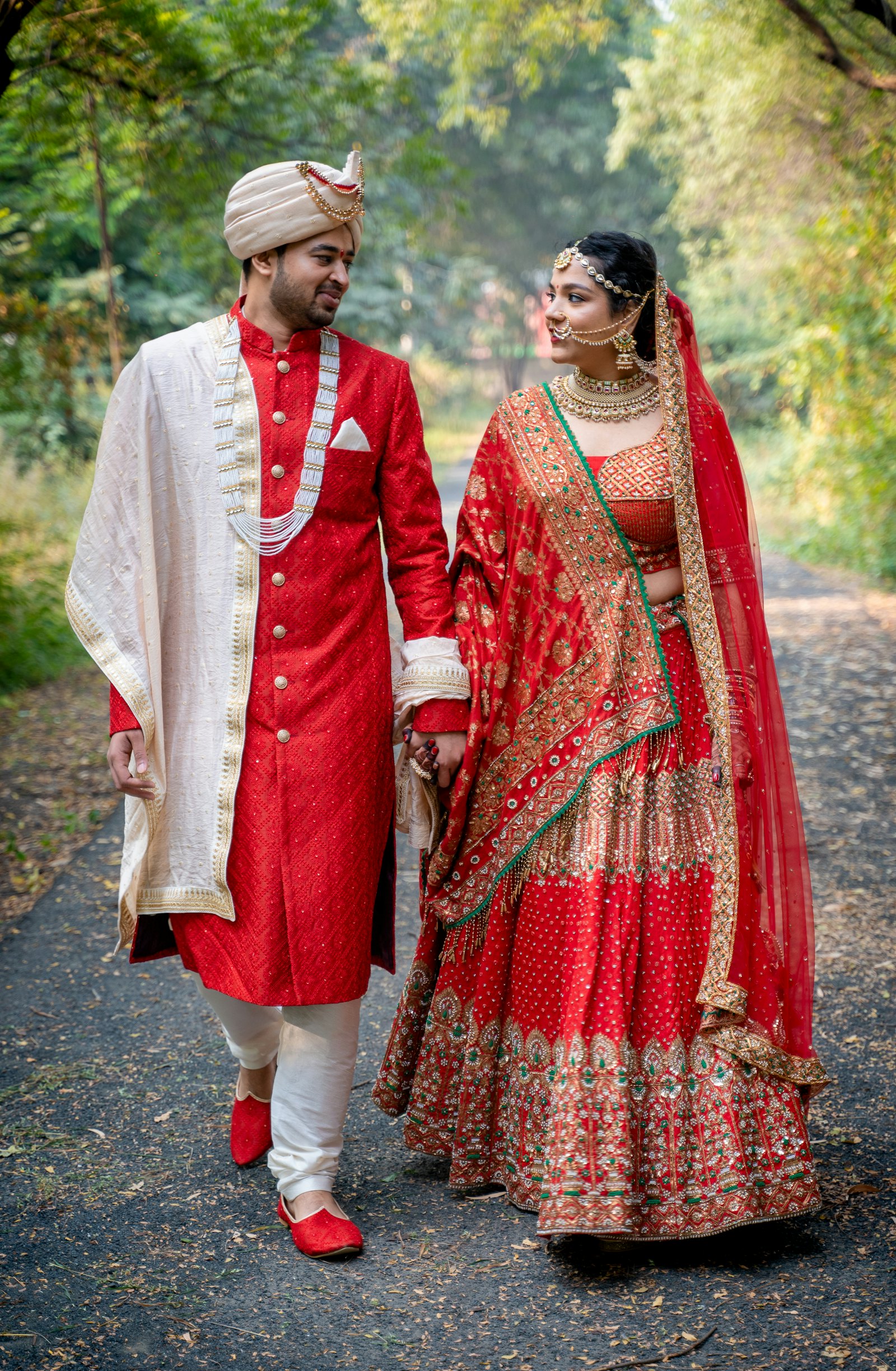
Your photographer captures the defining frames: portraits, rituals, family groups, the varmala, the pheras. They shoot on professional cameras for high-resolution, edited images built to last decades. That editing takes time, so most couples see the full set weeks after the wedding.
What a videographer does
A videographer builds the wedding film: a cinematic, horizontal edit with music, speeches and sweeping shots. Often there's a teaser first and a longer film later. It's the thing you'll watch on your anniversary. It's rarely the thing you'll post the next morning.
What a wedding content creator does
A wedding content creator shoots vertical, social-first content and delivers it fast. Live Instagram stories during the sangeet. A reel of the haldi before the day even ends. BTS of everything that happens between the "official" moments.
The kit is lighter by design: iPhones, gimbals, small mics. The goal isn't perfection for the archive. It's feeling, for right now.
Side by side
Do you need all three?
If you want an album, book a photographer. If you want a film, book a videographer. If you want your friends abroad to watch your baraat live, and a reel ready before the reception, add a wedding content creator.
A content creator doesn't replace either. A good one makes the other two's jobs easier, because they take the "can you just send me something for Instagram?" pressure off everyone.
How to brief three teams
Introduce them early. Share one run-of-show with everyone. Tell each team what's theirs: the photographer owns portraits, the videographer owns the film, the content creator owns stories and reels. Then let them talk to each other. Good teams sort out angles and space on their own.